How High-End Travel and Luxury Living Fuel Pop Culture Fantasies
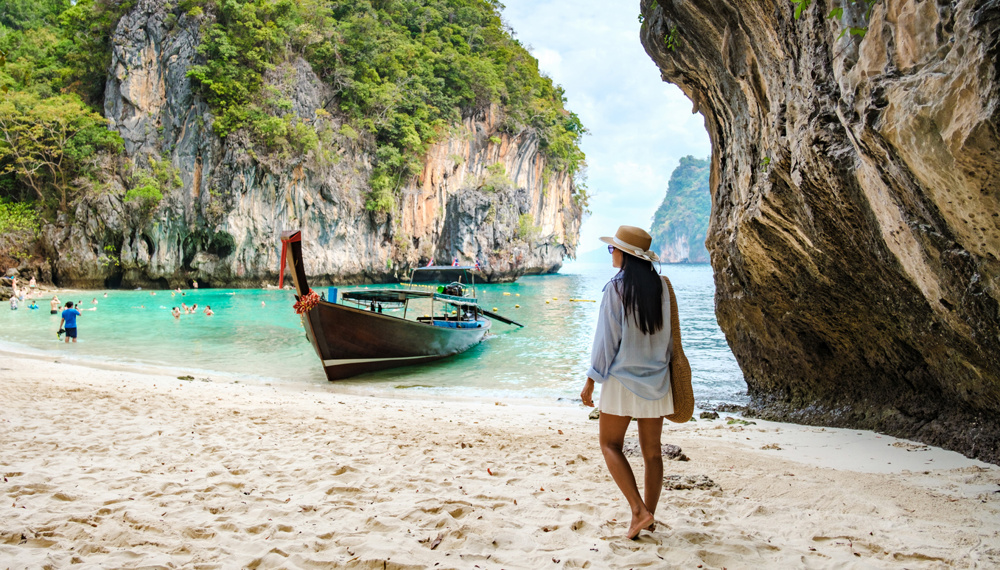
High-end travel has become one of the most powerful visual languages in modern pop culture. Luxury resorts, private villas, and cinematic landscapes no longer function merely as backdrops—they shape how audiences imagine aspiration, identity, and success. What was once exclusive is now constantly visible, circulating through films, streaming platforms, and social media feeds.
This visibility has transformed travel into something more than movement. It has become narrative. Viewers are not simply observing destinations; they are engaging with curated experiences that promise transformation. The infinity pool overlooking the ocean or the secluded mountain retreat is no longer just a place—it is a symbol of a different version of life.
Why Did Luxury Travel Become a Pop Culture Obsession?
Luxury travel’s rise as a cultural obsession is closely tied to the expansion of global media. As films and streaming series increasingly rely on international locations, audiences are exposed to environments that feel both distant and attainable. These settings are not neutral—they are carefully chosen to evoke aspiration, freedom, and transformation.
A single production can significantly influence travel behavior. The film Zindagi Na Milegi Dobara, for example, generated hundreds of thousands of tourism inquiries for Spain, illustrating how cinematic representation can reshape national travel patterns. Similar effects have been observed across multiple industries, where storytelling drives consumer interest.
This shift reflects a broader change in how travel is perceived. Rather than being defined by logistics or utility, it is framed as emotional and narrative-driven. The destination becomes secondary to the experience it promises, reinforcing the idea that travel is a means of self-reinvention.
What Makes a Hotel the Perfect Backdrop for Film and TV?
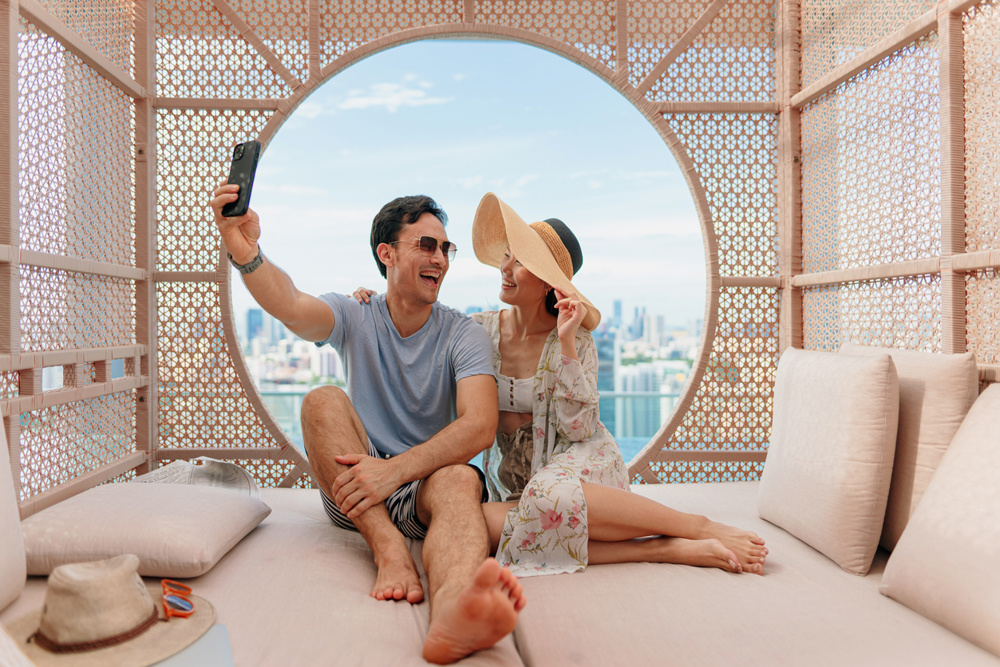
Hotels have become central to visual storytelling because of their flexibility and symbolic value. Architecturally, they offer a range of environments within a single location—rooms, corridors, pools, and public spaces—that can support multiple narrative functions.
Lighting and design also play a critical role. Large windows, open layouts, and controlled environments allow filmmakers to create visually consistent scenes without extensive modification. This makes hotels highly adaptable as production spaces.
Beyond their technical advantages, hotels carry cultural meaning. They represent transition, anonymity, and temporary identity—qualities that align closely with narrative arcs. In luxury settings, these meanings are amplified, turning the hotel into a character that reflects status, isolation, or transformation.
How The White Lotus Made These Resorts Famous
Season 1's Four Seasons Maui ignited pool voyeurism culture — suddenly everyone recognized that Serenity Pool. Season 2's San Domenico Palace in Sicily became equally iconic, its clifftop infinity pool commanding $2,000+ nightly rates.
The show's genius lies in what it highlights:
- Ancient cloisters and frescoed ceilings in Taormina
- Panoramic Ionian Sea views framing dramatic scenes
- Thailand's terraced rice fields and tropical beach villas
- Infinity pools functioning as characters themselves
The result is a form of immersive branding. Audiences associate the locations with the story, creating a desire to experience them firsthand. The show demonstrates how effectively media can convert setting into destination, reinforcing the connection between fiction and consumption.
The Set-Jetting Effect: Booking Hotels You've Seen on Screen
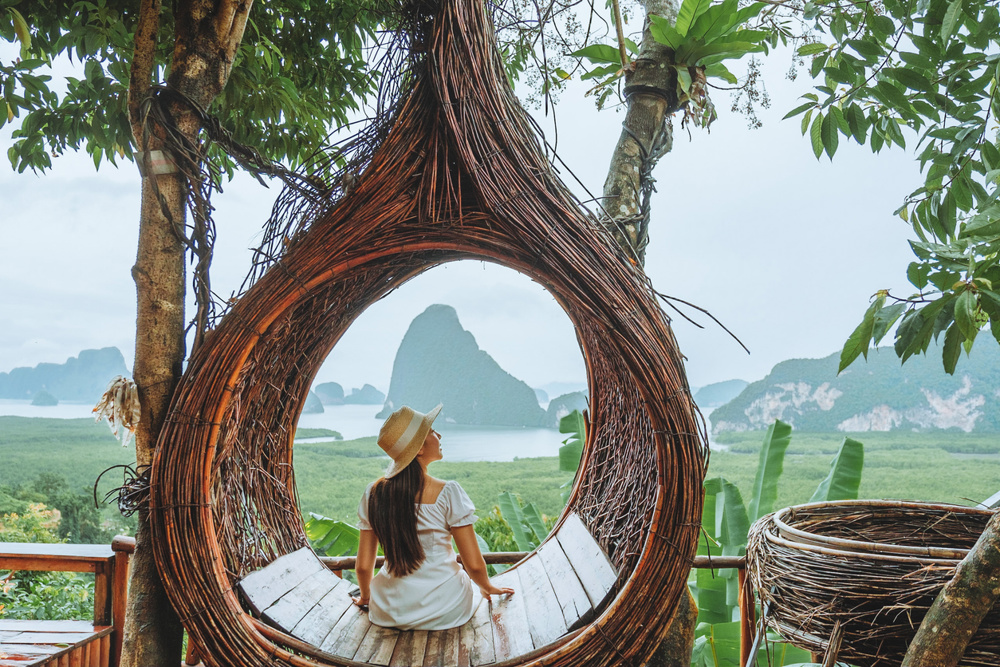
Binge-watching a luxury resort on screen and then booking it in real life — that's set-jetting, and it's exploding. Over 80% of travelers now choose destinations based on screen appearances, turning streaming platforms into de facto travel agencies.
This celebrity-led phenomenon is projected to generate $8 billion in the U.S. alone by 2026, with global value reaching $110.79 billion by 2028. You're not just chasing scenery — you're chasing architectural tourism, booking the exact rooms and lobbies you've seen filmed. Productions like "The Odyssey" are spiking visits to Greece's Peloponnese, while "Jay Kelly" pulls travelers to Tuscany's luxury estates.
Hotels like San Domenico Palace and W Costa Navarino aren't just accommodations anymore — they're destinations scripts made famous. Expedia has identified set-jetting as a top 2026 travel trend, with over half of all travelers reporting a growing desire to visit locations they've seen on screen.
Check out MrPopCulture.com and learn more about pop culture trends in luxury travels.
How Designer Collaborations Are Transforming the Luxury Hotel Stay
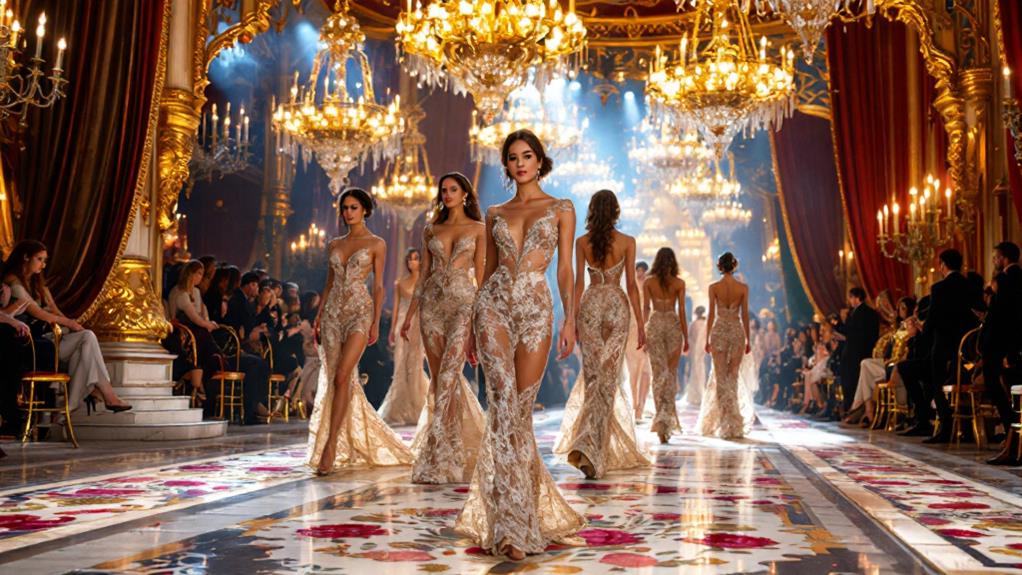
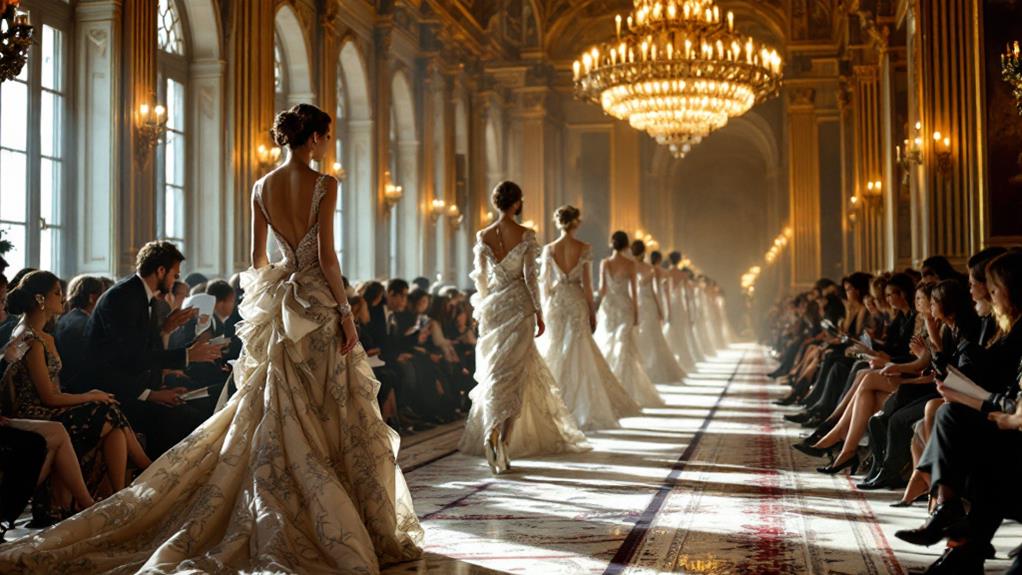
Checking into a luxury hotel now means stepping into a living fashion campaign. Designer takeovers from Jacquemus, Dior, and Dolce & Gabbana transform pools, lobbies, and cabanas into immersive brand worlds. You're not just a guest — you're part of the story. Branded amenities now go far beyond a tote bag. Consider what's available:
- Olivia von Halle x The Carlyle printed pajamas
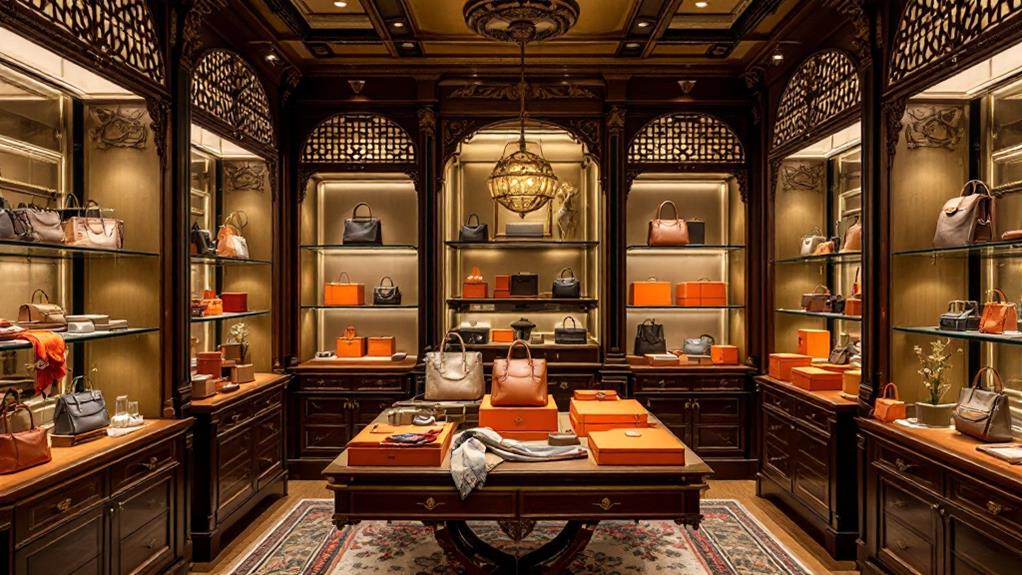
- One&Only x Tyler Ellis resort-exclusive handbags
- Beverly Hills Hotel's curated Orlebar Brown and Koio sneakers
- Staud x St. Regis fashion-forward merchandise drops
These collaborations give hotels differentiation in a crowded market while offering brands storytelling beyond runways. For you, they create shareable, once-in-a-lifetime moments that blur the line between fashion, travel, and personal identity. Hotels are evolving into lifestyle hubs with in-room shopping, branded spa treatments, and retail concepts that extend the designer experience long after checkout.
The Destinations Everyone Wants to Visit After Seeing Them on Screen
Something shifts when a destination stops being a place on a map and becomes a world you've already lived in through a screen. Set-jetting turns that recognition into movement, pulling you toward iconic streetscapes in Croatia's Game of Thrones locations, Scotland's Outlander landscapes, and Hawaii's Jurassic World valleys.
Luxury travel has caught up fast. You're no longer just touring a filming location — you're sailing the same Aegean waters that inspired The Odyssey at One & Only Aesthesis, or riding horseback through Tuscany's WWF-reserve terrain from You, Me and Tuscany.
Culinary pilgrimages, spa experiences, and expert-led adventures deepen the connection between screen and place. These aren't nostalgic recreations. They're fully designed immersions that transform cinematic familiarity into something you can actually touch. Properties like secluded woodland sanctuaries offer 17 spacious lodges, private lakes, and wildlife observatories that make the fantasy feel entirely lived-in.
How Movies Convinced a Generation That Travel Changes Who You Are
Before a single bag is packed, cinema has already reshaped how you think travel will change you. Identity journeys fill screens with characters who shed old selves across foreign landscapes. Cinematic wanderlust doesn't just entertain — it rewires your expectations.
Mirror neurons respond to these narratives, nudging you toward real-world action. Consider what films consistently promise:
- Walter Mitty transforms from passive dreamer to confident risk-taker across Iceland and Afghanistan
- Christopher McCandless discards materialism entirely, hitchhiking toward raw self-discovery
- Liz Gilbert rebuilds identity through Italy, India, and Bali's distinct cultural lessons
- Heinrich Harrer abandons selfishness through Himalayan hardship and unexpected friendship
These stories compress decades of emotional growth into two hours, convincing you that booking a flight is the first step toward becoming someone better. Neuroscience research confirms this pull runs deeper than emotion alone, as cinematic scenes trigger dopamine surges and physiological responses nearly identical to those experienced during real travel.
Why Millennials and Gen X Now Spend More on Experience Than Location
Generational shifts in spending patterns reflect changing priorities. Millennials and Gen X increasingly value experiences over ownership, prioritizing travel, events, and personal development. This shift is influenced by both economic conditions and cultural narratives.
Media representations of travel as transformative reinforce the idea that experiences hold greater value than material possessions. As a result, luxury travel is redefined. It is no longer limited to exclusivity or status—it is associated with depth, meaning, and personal growth. This redefinition expands the appeal of high-end travel across broader demographics.
How High-End Hostels Are Rewriting What Luxury Travel Means
The poshtel is quietly turning luxury travel on its head. You're no longer choosing between comfort and affordability. Boutique Hostels now offer designer-driven stays with rooftop lounges, plush bedding, and curated local experiences that rival five-star hotels.
Design Driven Stays prioritize:
- Thoughtfully curated interiors over cookie-cutter layouts
- Private en-suite rooms blending hotel perks with hostel pricing
- Communal spaces hosting yoga sessions, cooking classes, and cultural workshops
- Eco-friendly practices including solar energy and locally sourced food
You get Instagram-worthy aesthetics, meaningful connections, and sustainable values — all without the premium price tag. Modern hostels aren't just places to sleep; they're cultural gateways redefining what luxury actually means for today's experience-hungry traveler. Some platforms even let you see who's already booked before you arrive, making it easier to build connections before your trip begins.
Social Media and the Performance of Luxury Travel
Social media has intensified the visibility of luxury travel, turning it into a form of performance. Platforms such as Instagram and TikTok prioritize visually striking content, amplifying images of resorts, destinations, and curated experiences. Framing, lighting, and composition are no longer incidental—they are central to how travel is presented and consumed.
This visibility creates a powerful feedback loop. Locations that gain traction online attract more visitors, who in turn reproduce similar images, reinforcing the destination’s status within pop culture. Over time, certain visual tropes—sunset silhouettes, poolside breakfasts, panoramic views—become standardized, shaping expectations before a trip even begins.
As a result, the act of travel becomes intertwined with documentation. Experiences are designed not only to be lived, but to be captured and circulated. This dynamic shifts the meaning of presence: being somewhere is no longer enough; it must also be seen and recognized. In this context, luxury travel operates as both personal experience and public performance, reinforcing its role within a shared visual culture.
The Psychology of Aspirational Travel
Luxury travel’s appeal is deeply psychological. Repeated exposure to idealized environments—pristine beaches, expansive villas, carefully designed interiors—triggers emotional responses linked to pleasure and aspiration. These responses are not passive; they influence perception, shaping what individuals come to associate with success, relaxation, and fulfillment.
The concept of aspirational consumption helps explain this dynamic. Rather than purchasing goods alone, individuals seek experiences that align with desired identities. Travel becomes a medium through which these identities are explored and expressed.
The media plays a central role in constructing these associations. Films, television, and social platforms present consistent visual and narrative cues that define what luxury looks like and what it signifies. Over time, these representations become internalized, influencing preferences and decision-making.
The Future of Luxury Travel in Pop Culture
As media continues to evolve, the relationship between travel and pop culture is likely to deepen. Streaming platforms have already expanded the global reach of visual storytelling, making distant locations instantly familiar. Emerging technologies such as virtual reality and interactive media may extend this further, allowing audiences to engage with destinations in increasingly immersive ways before ever arriving.
At the same time, shifting cultural values are reshaping what luxury means. Sustainability, ethical tourism, and local engagement are becoming more prominent considerations, influencing both how travel is marketed and how it is experienced. Luxury is gradually being redefined—not solely as exclusivity or excess, but as thoughtful, responsible engagement with place.
These developments suggest that luxury travel will continue to function as a cultural mirror. It reflects changing ideas about identity, aspiration, and value, adapting to new technologies and expectations. While the forms it takes may evolve, its role within pop culture remains consistent: a space where imagination, experience, and meaning converge.
Conclusion
High-end travel has become a central component of modern pop culture, shaping how destinations are perceived and experienced. Through film, television, and digital media, luxury environments are transformed into symbols of aspiration and identity. This transformation reflects a broader cultural shift.
Travel is no longer defined solely by movement, but by the narratives it creates and the identities it promises. The line between observation and participation continues to blur, as audiences translate media experiences into real-world action. Ultimately, luxury travel’s power lies in its ability to turn places into stories—and stories into lived experience.