Michael W. Forness on Turning a Backyard Into a True Extension of The Home
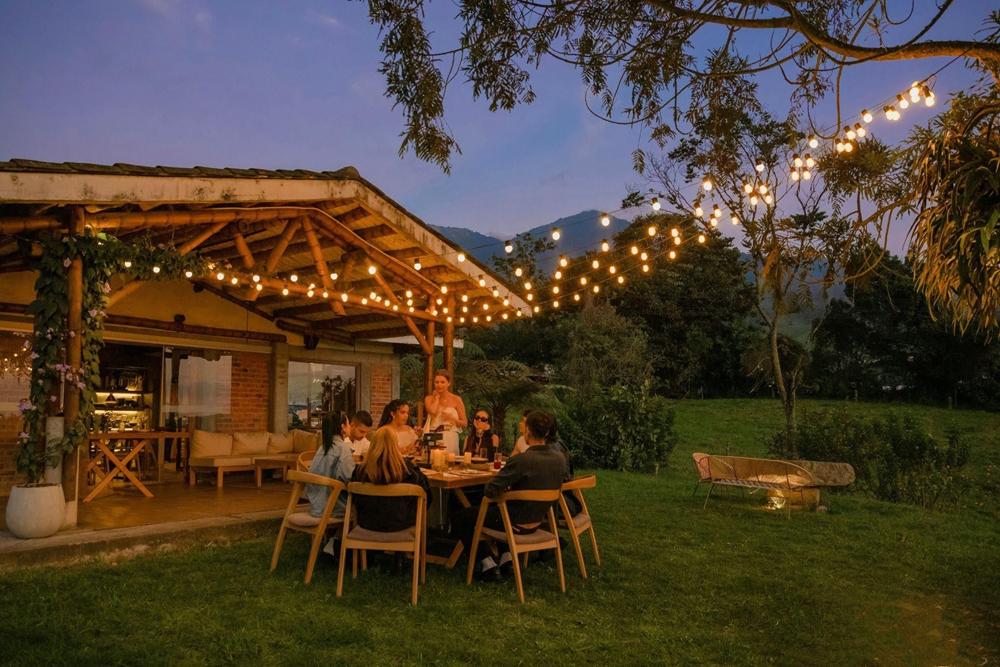
The most successful outdoor projects share something in common, and it has very little to do with square footage or budget. They feel like they belong in the home. That sense of belonging is what separates a backyard used every weekend from one people admire through the window but rarely step into.
Michael W. Forness has spent more than two decades designing and building outdoor spaces along Florida's coast. The homes that consistently feel right are the ones where the line between interior and exterior almost disappears. A backyard becomes an extension of the home when it serves the same purpose as the rooms inside it. People gather there. They cook, read, work, and host. They unwind after long days together. The space earns its place by being lived in, not by looking impressive in photographs.
Start With How the Space Will Actually Be Used
Before any plants go in the ground or pavers are laid, the most important conversation is about daily life. Who uses the yard, and when? Are mornings spent with coffee outside? Do weekends revolve around grilling and entertaining a crowd of fifteen? Is there a dog that needs a clear path to roam? These questions should shape every decision that follows.
Too many outdoor projects begin with a checklist of features pulled from magazines. Fire pits, outdoor kitchens, pergolas, water features. Each one makes sense on its own, but stacking them together without a clear purpose creates a yard that feels like a showroom. A space designed around real habits develops a natural rhythm. Seating ends up where people actually want to sit. The cooking area sits within easy reach of the indoor kitchen. The lounging zone catches afternoon shade instead of full sun.
Function shapes form, and the best outdoor environments come from an honest understanding of how a family actually lives.
Treat Transitions as Part of the Design
A backyard that feels disconnected from the house usually reveals itself at the threshold. The door opens, and the materials change too abruptly. Tile gives way to grass with no transition. Lighting shifts from warm to harsh. The eye registers a break, and the body follows it.
Strong outdoor design smooths those shifts. Carrying flooring tones from inside to a covered patio, aligning sightlines so the view from the living room naturally pulls outward toward a focal point in the landscape, or matching the scale of indoor architecture with proportional outdoor structures all help create continuity. The goal is not to make the outdoors feel like the indoors. It is to let the two spaces feel connected and intentional.
This matters even more in coastal Florida, where indoor and outdoor living blend for much of the year. Homeowners move between the two constantly, and any friction in that transition becomes noticeable quickly.
Build for the Climate, Not Against It
Florida puts outdoor spaces through a lot. Salt air corrodes hardware. Heavy rain tests drainage. Summer sun fades finishes and warps untreated wood. Hurricane season demands structures that can handle wind. Ignoring these realities leads to backyards that look great for a couple of seasons and break down quickly after that.
Smart material choices change that outcome. Marine-grade fasteners hold up where standard ones rust within months. Shell-based or composite pavers handle heat without becoming uncomfortable underfoot. Native and salt-tolerant plantings require less water and less replacement. Properly graded hardscape directs water away from the home instead of letting it pool near the foundation.
These are not the most glamorous parts of outdoor design, but they are what make everything else last. Michael W. Forness often notes that the projects clients appreciate most years later are the ones built with the long-term in mind.
Layer the Experience
A backyard that functions as an extension of the home needs to support more than one mode of living. Mornings call for soft light and quiet. Evenings need warmth and atmosphere. Entertaining requires open flow. Family time calls for comfort and ease. A well-designed space can handle all of this without feeling cluttered, but only when it is layered with intention.
Layering happens through lighting that shifts with the time of day, planting beds that bloom in succession across the year, seating arranged in natural clusters rather than rigid rows, and shade structures that follow the sun. Each layer adds depth without competing for attention. The space reveals itself gradually, rather than all at once.
The yards that age best are the ones designed with patience built into them. They become more interesting over time, not less.
The Quiet Test of a Great Outdoor Space
There is a simple way to tell whether a backyard truly functions as an extension of the home. Watch how often the family actually uses it. Not for parties. Not for photos. On a regular Tuesday evening, when nothing special is happening, do they step outside without thinking about it?
That instinct is the real measure. When a space is comfortable, well-planned, and easy to live in, it becomes part of the routine rather than a destination. Moving from couch to lounge chair feels as natural as walking from one room to another. The yard stops feeling separate and starts feeling like part of the home.
For homeowners considering a serious outdoor investment, that is the standard worth aiming for. Not the most features. Not the largest hardscape. A space that naturally pulls people outside day after day, simply because it feels right to be there.